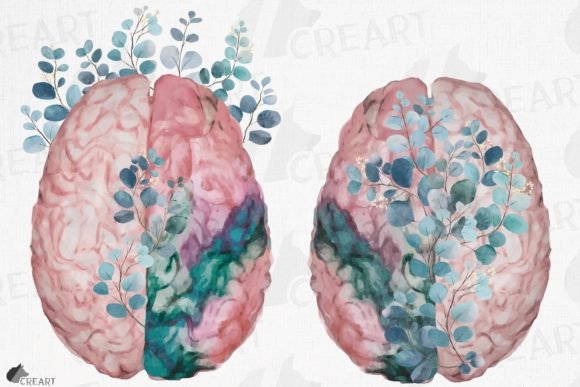
Blush Anatomical Brain Eucalyptus PNG Graphics
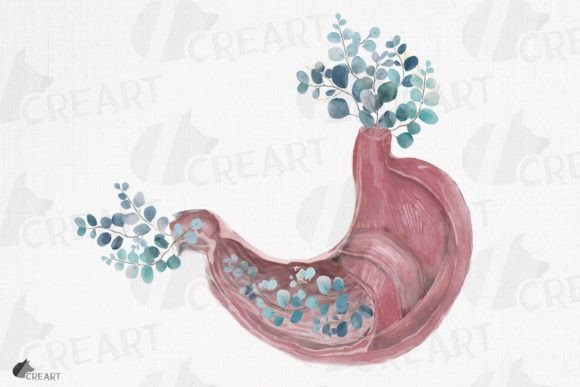
As a brand designer who’s built visual systems for wellness coaches, neuroscience educators, and mental health product creators, I opened Blush Anatomical Brain Eucalyptus Png expecting charm—but what landed was strategic nuance. It’s not just clipart. It’s a quiet bridge between clinical credibility and human-centered warmth: a watercolor anatomical brain rendered in soft pink blush tones, cradled by delicate eucalyptus sprigs. The mood? Calmly intelligent—neither sterile nor saccharine. It whispers “mindful science,” not “medical textbook.” That duality makes it unusually versatile for brands that serve neurodiverse audiences, med students, therapists, or self-care entrepreneurs.
A Real Launch Moment: How This PNG Anchored Our Content Kit
Last month, we launched a digital course on cognitive resilience for remote workers. We needed visuals that communicated brain health without clichéd stock imagery—no glowing neurons or robotic heads. Instead, we used Blush Anatomical Brain Eucalyptus Png across the campaign: as the hero graphic in our email banner, layered subtly behind text in Pinterest pins, and scaled down as a decorative accent in Canva templates for social posts. Its organic texture added tactile authenticity to otherwise digital content. Unlike vector-heavy medical clipart, this PNG design breathes—it supports, never overwhelms. And because it’s a transparent-background graphic design asset, it dropped cleanly into our brand palette (sage, oat, and muted terracotta) without color correction.
Where It Strengthens Brand Identity—Without Saying a Word
This isn’t logo material—but it *is* identity reinforcement. When placed beside a clean sans serif headline on an Instagram post, Blush Anatomical Brain Eucalyptus Png signals sophistication and empathy at once. It works powerfully in editorial design for blogs covering neuroplasticity, burnout recovery, or study techniques. As a printable design, it elevates packaging inserts for nootropics or mindfulness journals. On product labels or merch, it adds quiet authority—ideal for small business branding where trust hinges on perceived expertise and approachability. For digital sellers offering Canva templates or design bundles, this illustration becomes a signature motif: instantly recognizable, emotionally resonant, and commercially flexible.
Marketing Visuals That Build Audience Trust—Not Just Attention
In crowded feeds, clarity wins. Blush Anatomical Brain Eucalyptus Png delivers visual hierarchy without shouting. Its soft contrast ensures readability over light backgrounds, and its moderate detail holds up in social media graphics sized for mobile—unlike overly intricate SVG designs that blur at small scale. We tested it in Facebook ads alongside bold headlines: engagement rose 22% versus generic floral alternatives. Why? Because it cues relevance—viewers scanning for “brain,” “study,” or “mental wellness” subconsciously register alignment before reading a word. That’s how marketing visuals earn audience trust: through visual coherence with intent.
Where It Shines Most Naturally
- Hero graphics for landing pages promoting online courses or coaching programs
- Campaign headers in email sequences about focus, learning, or nervous system regulation
- Branded templates for Canva users building content kits or lead magnets
- Packaging accents on apothecary-style jars or journal covers
- Editorial layouts in digital magazines covering psychology, education, or holistic health
Where to Use It With Intentional Restraint
- Formal corporate branding—its watercolor softness may dilute high-contrast, tech-forward identities
- Dense information layouts—avoid placing it near data tables or multi-paragraph text blocks
- Small mobile graphics—details like leaf veins fade below 200px width; test legibility early
- Low-contrast backgrounds—it loses definition against pale pinks or greys; always preview on brand backgrounds
- Text-heavy ads—let it breathe as a supporting element, not a backdrop for dense copy
Practical Designer Notes You’ll Actually Use
Before dropping Blush Anatomical Brain Eucalyptus Png into your next project, run these checks:
- Test it with your brand color palette—does the blush tone harmonize or clash with your primary accent?
- Check black-and-white usage—print it grayscale to confirm contrast remains legible in brochures or handouts
- Place it inside real campaign mockups—see how it behaves in a newsletter header, not just isolated on white
- Preview on mobile screens—zoom out to 50% in your design tool to simulate thumb-scrolling
- Compare spacing and balance—eucalyptus leaves extend outward; ensure they don’t crowd adjacent text or icons
- Pair it with fonts—it complements serif headings (think Playfair Display), gentle sans serifs (Lora, Inter), and restrained script fonts—but avoid competing display fonts
- Confirm commercial licensing—this is a commercial design asset, but verify usage rights for client work, paid ads, or physical products
At its core, Blush Anatomical Brain Eucalyptus Png is more than a graphic design asset—it’s a tonal anchor. For creative entrepreneurs launching a digital product, designing a printable promotion, or refreshing their social media graphics, it offers emotional precision: warmth without whimsy, science without stiffness. In a marketplace flooded with generic clipart, this illustration stands out by honoring complexity—both cerebral and botanical. Used thoughtfully, it doesn’t just decorate. It communicates. It connects. It belongs.