Red Rose Wedding Floral Frame Templates
A Designer’s First Glance: Romantic, Refined, and Ready for Stitching
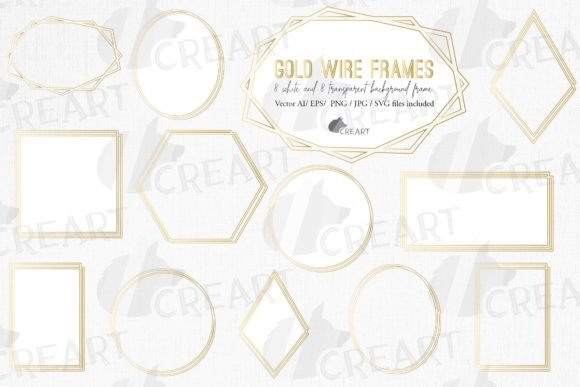
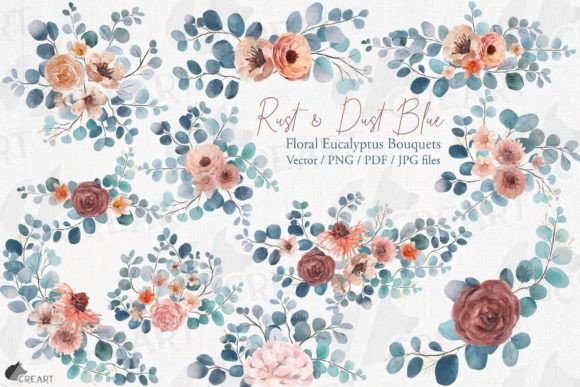
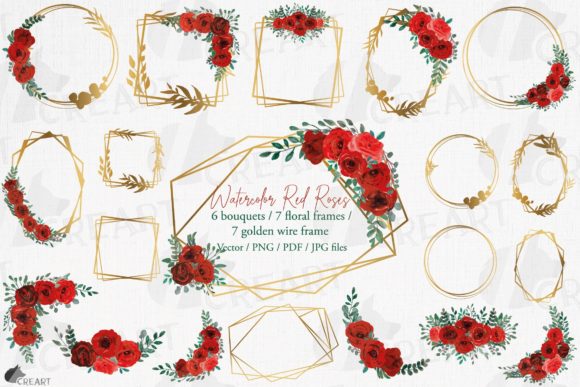
When I opened Red Rose Wedding Floral Frame Templates, I didn’t see just clip art—I saw a mood. Watercolor-style true red roses, soft-edged but intentional, framed within clean geometric lines and delicate gold accents. It’s elegant without being stiff, floral without feeling fussy. The 20 included elements—bouquets, corner motifs, central frames, and border variations—aren’t random; they’re curated to layer, scale, and adapt across real embroidery projects. As someone who regularly selects machine embroidery designs for client work and small-batch production, my first thought wasn’t “pretty”—it was “where would this *live*?” And the answer came fast: on a linen tea towel for a bridal shower gift, along the hem of a cotton apron for a wedding catering business, or centered on a lightweight canvas tote for a boutique launch.
How It Translates Off-Screen and Onto Fabric
I tested one of the larger frame motifs on a medium-weight cotton sweatshirt using standard tear-away stabilizer—and it held up beautifully. The watercolor effect translates surprisingly well in satin stitch when you choose rich burgundy and deep olive thread colors against cream fabric. The gold geometric accents? They read as subtle metallic thread highlights (not literal gold thread), so they stay elegant rather than flashy. On baby onesies, I scaled down a smaller bouquet element—it kept its shape and charm without losing legibility. That’s rare. Many floral templates collapse at under 3 inches wide, but these maintain their botanical personality even at 2.25". For embroidered patches, the outer frame lines provide natural borders that prevent fraying during cutting and heat-sealing.
Where it shines brightest is in context-driven handmade products: a pillow cover with a centered rose frame + monogram, a set of kitchen towels each featuring a different bouquet from the pack, or personalized holiday gifts where the rose motif feels timeless—not just seasonal. As an Etsy seller, I’d use these as design assets for printable mockups too—the watercolor texture renders cleanly in digital previews, helping buyers visualize the final embroidered product before ordering.
Where to Pause—and Plan—Before You Stitch
Not every surface welcomes this design equally. On highly textured fabrics like bouclé or thick terry cloth, the fine inner petal details can blur. I recommend simplifying or omitting the most delicate interior strokes if stitching on a plush baby blanket. Stretchy knits (like jersey tees) need extra stabilization—especially around the geometric corners, where tension shifts can distort sharp angles. And while the gold line work looks stunning on light fabric, it fades into near-invisibility on dark charcoal or navy unless you switch to white or silver thread and adjust density manually.
Small hoop sizes (under 4x4") demand editing. Some of the full-frame layouts exceed that comfortably, so be prepared to crop or isolate single roses or corner flourishes. Also, avoid placing dense fill-stitch areas (like the rose centers) directly over seams or curved surfaces like cap fronts—stitch density can cause puckering there. If you're planning a commercial embroidery run, test one design across three fabric types first: cotton poplin, midweight twill, and lightweight rayon blend. You’ll quickly spot which elements hold clarity and which need slight cleanup.
Real-World Fit: What This Design *Does* Well
- Builds perceived value—Customers pay more for embroidery that feels intentional and art-directed. These templates don’t look like stock; they feel custom-curated.
- Supports brand consistency—Whether you’re embroidering for a wedding planner’s merch line or your own craft business, the cohesive palette and structure help unify collections.
- Works double-duty—Use the same frame motif as both an embroidered element and a graphic overlay in your digital product listings or social media banners.
- Feels giftable—The romantic-but-not-cloying tone makes it appropriate for weddings, anniversaries, Mother’s Day, and even “just because” luxury gifting.
Practical Notes Every Embroidery Designer Should Keep Handy
Before committing to a full run—or listing a finished product made with Red Rose Wedding Floral Frame Templates—do these six things:
- Test on scrap fabric matching your final product’s weight and weave—even if it’s “just cotton.” Thread behavior changes dramatically between quilting cotton and garment-weight.
- Check thread color contrast in natural light. That true red rose reads differently under studio LEDs vs. daylight. Try it in black-and-white mockups too—you’ll spot weak tonal separation early.
- Review stitch density in your embroidery software. Some bouquets include tight fill-stitch zones that may benefit from reduced density on delicate fabrics.
- Confirm licensing terms—since these are Print Templates and Graphics, clarify whether commercial use of stitched items is permitted, and whether resale of unaltered digital files is allowed.
- Inspect small details at 200% zoom: tiny stems, leaf veins, and gold line ends should be clean—not jagged or pixelated—if you plan to resize down.
- Use proper stabilizer for your base fabric—not just “medium weight,” but specifically cut-away for knits, tear-away for stable wovens, and fusible for lightweight silks or linens.
Bottom line? Red Rose Wedding Floral Frame Templates isn’t filler—it’s functional elegance. It bridges invitation design sensibility with embroidery practicality. Used thoughtfully, it elevates a simple tote bag into a keepsake, turns a plain sweatshirt into a signature piece for a small shop, and gives handmade products that quiet confidence customers associate with professional craftsmanship. Just remember: great design doesn’t replace testing. It invites it.