Sea Turtle Graphics & Icons
First Impression: Calm, Coastal, and Commercially Versatile
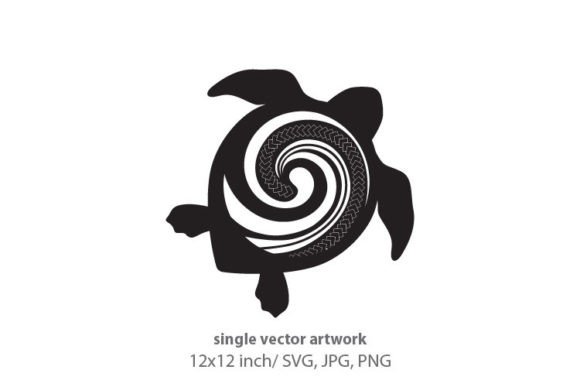
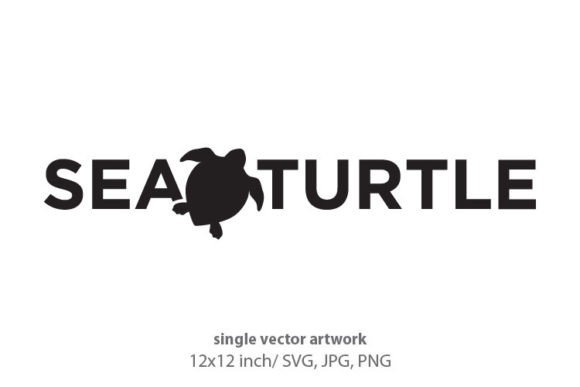
When I opened Sea Turtle for the first time, I wasn’t just scanning for aesthetics—I was assessing its fit in my next Etsy collection: a coastal-themed digital download bundle for planners, wall art, and printable greeting cards. The illustration feels grounded—not overly cartoonish, not sterile or technical. It carries quiet confidence: smooth curves, balanced negative space, and a gentle organic rhythm that reads as both natural and intentional. This isn’t a frantic summer sale clipart piece; it’s a considered graphic design asset with quiet appeal to eco-conscious buyers, ocean lovers, yoga studios, boutique nurseries, and wellness bloggers.
Where Sea Turtle Fits Best (and Why It Converts)
I tested Sea Turtle across six real product types before listing anything: SVG files for Cricut users, PNG sticker sheets for Canva template sellers, sublimation-ready prints for tumblers and totes, printable nursery wall art, planner sticker packs, and social media quote graphics for small business branding. In every case, it held up—especially when scaled. Because it’s built in Adobe Illustrator at 12×12 inches and 300 dpi RGB, the vector foundation means clean resizing without pixelation. That matters most for large-format print-on-demand items like canvas wraps or throw pillows, where blurry edges kill perceived value.
The included SVG, PNG, and JPG files gave me flexibility: SVG for precise cutting in Cricut Design Space, high-res PNGs with transparent backgrounds for layered Canva templates and digital paper packs, and JPGs for quick mockup previews. I used the PNG version in a t-shirt design mockup on Placeit—and the soft contrast between the turtle’s silhouette and the heather grey background made the thumbnail pop instantly. That kind of visual hierarchy helps listings stand out in crowded creative marketplaces.
Real-World Product Applications
- SVG design: Clean cut lines worked flawlessly on vinyl for tote bags and mugs—no jagged edges or stray anchor points.
- Printable design: Paired with a light serif font and seafoam green accents, it elevated a set of printable affirmation cards beyond generic clipart.
- Sublimation design: Printed crisply on ceramic mugs and polyester scarves—no color bleed or haloing around the edges.
- Canva template: Served as a focal point in editable beach vacation invitation templates, maintaining clarity even when resized for mobile previews.
- Sticker design: Worked beautifully as a die-cut planner sticker—its moderate detail level kept production costs low while retaining character.
- Social media graphics: Anchored Instagram carousel posts about ocean conservation, lending warmth and authenticity without distracting from the message.
What to Test Before Publishing Your Listing
Don’t assume file quality—verify it. Here’s what I did:
- Previewed the SVG in Cricut Design Space at 3×3 inches and 8×8 inches—checked for overlapping paths and ungrouped layers.
- Opened the PNG in Photoshop and toggled transparency on/off against white, black, and kraft paper mockups.
- Imported the JPG into a Shopify product mockup generator—confirmed no compression artifacts or dulling in color fidelity.
- Test-printed a 5×7” version on matte cardstock—verified that subtle gradients (if present) rendered evenly and didn’t shift toward yellow or magenta.
- Checked licensing terms: confirmed this is a commercial license, meaning finished products—like printed mugs or digital sticker sheets—can be sold without royalty.
Smart Pairings for Visual Consistency
Sea Turtle plays well with several font families—but not all. I found it paired strongest with:
- Serif fonts (e.g., Playfair Display) for elegant nursery prints and wedding stationery.
- Sans-serif fonts (e.g., Montserrat) for modern t-shirt designs and Canva templates targeting wellness brands.
- Handwritten fonts (e.g., Pacifico) for playful sticker sheets and birthday cards—just avoid overly busy scripts that compete visually.
- Display fonts (e.g., Bree Serif) for packaging design or product mockups where Sea Turtle acts as a supporting icon rather than the sole focus.
Where to Use Sea Turtle Carefully
This isn’t a one-size-fits-all icon. Avoid using it:
- In tiny formats under 0.75 inches—fine details like flipper texture or eye shape blur or vanish.
- On dark backgrounds unless you’ve verified the PNG transparency holds up (some exports include faint anti-aliasing halos).
- In text-heavy templates—its organic shape doesn’t anchor rigid grids as well as geometric icons do.
- For complex multi-layered Cricut projects requiring nested cuts—this is a single-layer illustration, not a layered SVG kit.
- In low-resolution print products like newsprint flyers—300 dpi won’t compensate for poor paper stock or ink absorption.
Final Verdict for Sellers
Sea Turtle is a quietly effective graphic design asset—not flashy, but reliable. It supports brand identity without demanding attention. For Etsy sellers building seasonal collections, print-on-demand creators launching coastal bundles, or Canva template designers expanding their nature-themed kits, it adds cohesion without limiting creativity. It’s not a standalone bestseller—but it’s the kind of thoughtful, technically sound illustration that makes your entire product mockup feel more professional, your digital download feel more polished, and your customer’s unboxing experience feel intentionally designed. Test it early, pair it deliberately, and use it where calm, clarity, and commercial readiness matter most.