Brain Tree, Health
A Thoughtful Design That Grows With Your Project
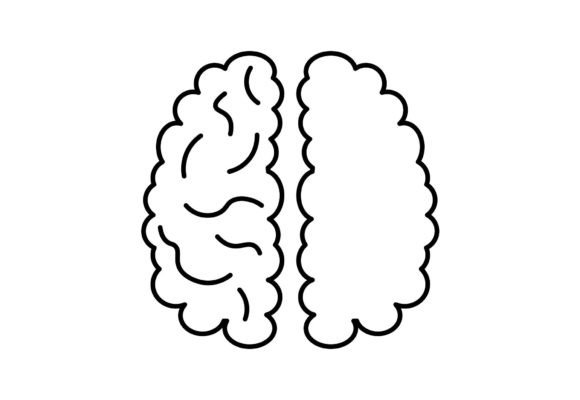
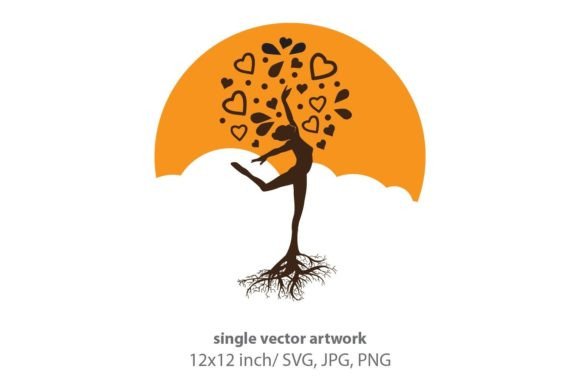
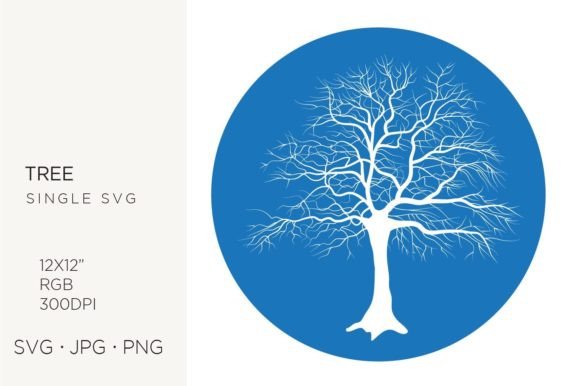
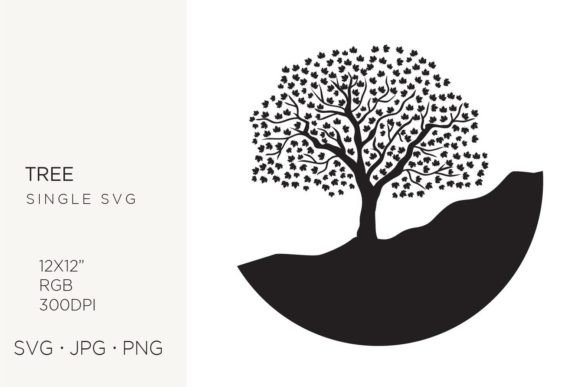
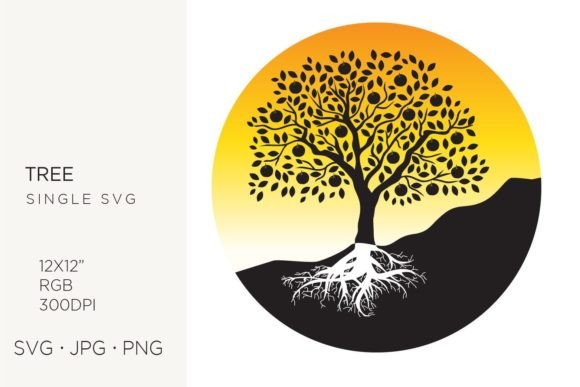
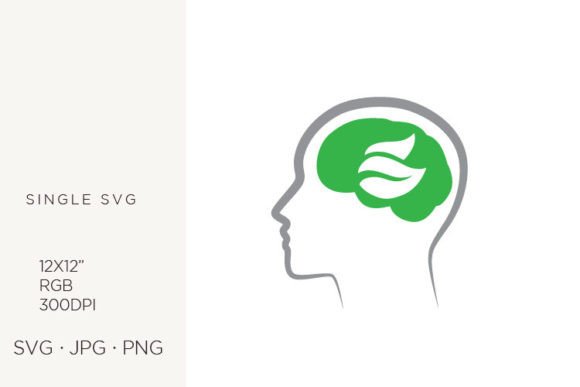
When I first opened Brain Tree, Health, I didn’t see just another icon—I saw a quiet conversation between science and symbolism. The trunk curves like a gentle spine; the branches unfurl like neural pathways; leaves pulse with subtle asymmetry, not rigid perfection. It’s not clinical. It’s not cartoonish. It lands somewhere warm and intentional—like a wellness studio logo stitched onto a linen apron, or a soft embroidery on a baby onesie for a pediatric therapist’s boutique line. That’s the real test: does it feel handmade *and* meaningful? For me, Brain Tree, Health passes.
Where This Design Truly Belongs (and Where It Doesn’t)
I recently prepped a custom embroidered tote bag for a local mindfulness retreat—cotton canvas, medium weight, natural undyed tone. I placed Brain Tree, Health centered on the front, sized to 3.5 inches wide. The result? Calm clarity. No visual noise. No overcrowded detail. The open negative space between branches gave the fill stitch room to breathe, and the clean outer silhouette held up beautifully at that scale—even after washing three times. That’s the sweet spot: Brain Tree, Health shines on structured, stable surfaces—tote bags, tea towels, pillow covers, sweatshirt backs, and nursery wall hangings.
But let’s be direct: this isn’t a design for tiny caps or curved bill fronts. The lower branches taper into fine points—lovely in print, but risky in dense satin stitch on a small hoop. I tried a quick mockup on a baseball cap sample (4-inch hoop, twill fabric), and the smallest leaf tips lost definition. Same goes for stretchy knits: without heavy cutaway stabilizer and precise hooping, those delicate limb ends can distort or pucker. And on dark fabrics? The design’s moderate stroke weight means you’ll want high-contrast thread—navy on charcoal won’t read. Test it in black-and-white mockups first. See how much of the “brain” structure remains legible when stripped of color context.
Real Embroidery Behavior: Clarity Over Complexity
As an embroidery designer, I scan every new file for stitch density before I even load it into my machine. Brain Tree, Health avoids over-engineering. There’s no excessive underlay, no nested satin columns fighting for space. What’s here is purposeful: smooth running stitch for thin branch lines, balanced fill areas in the trunk and main canopy, and generous spacing between elements. That translates to fewer thread breaks, cleaner trims, and faster sew-outs—especially important if you’re batching holiday embroidery orders or prepping 50+ patches for a wellness fair.
It also scales well—within reason. At 2.75 inches, it reads cleanly on a child’s bib. At 4.25 inches, it anchors a kitchen towel without overwhelming. But push past 5 inches, and the subtle organic rhythm starts to flatten. The charm is in its restraint. Think of it as a signature motif, not a statement mural.
What Customers Actually Notice
- Recognition: People pause. They tilt their head. They say, “Oh—that’s clever.” Not “What is that?” It bridges medical literacy and emotional resonance.
- Giftability: I’ve used it on hand-stitched pillow covers for therapist-client thank-you gifts—and every recipient commented on how “thoughtful” and “not cliché” it felt. That matters. A generic heart or leaf says less than Brain Tree, Health says quietly.
- Brand consistency: If your craft business centers on holistic health, neurodiversity support, or integrative care, this design supports your voice—not drowns it in decoration.
Practical Designer Notes You’ll Want Before Stitching
Before committing to your first production run—or listing a finished product on Etsy—here’s what I do with every new digital embroidery file, including Brain Tree, Health:
- Test on scrap fabric matching your final project—same weight, same weave, same stabilizer combo.
- Check thread color contrast on both light and dark backgrounds. Try matte cotton thread on linen—it deepens the organic feel.
- Review small details in your embroidery software: zoom in on branch tips and leaf edges. Are they sharp enough for your intended hoop size?
- Confirm licensing. Since Brain Tree, Health is labeled as a Graphics asset for creating logos, stationery, and handmade items, verify whether commercial resale of stitched products is permitted—and whether derivative digital files (like converted embroidery files) require separate permission.
- Use proper stabilizer: medium-weight cutaway for knits, tear-away for stable wovens, and always float a lightweight topping for textured fabrics like terry cloth or bouclé.
More Than an Icon—A Quiet Anchor for Meaningful Making
Brain Tree, Health doesn’t shout. It listens. That’s rare in today’s flood of clip-art icons. It works because it respects the craft: the time it takes to hoop, the care needed to match thread to fabric, the intention behind every personalized gift. It fits naturally into slow-made product lines—think handmade cards with heat-transfer embroidery accents, boutique baby blankets with minimalist chest embroidery, or printable mockups for wellness coaches building their brand kit.
If you’re an Etsy seller curating a collection around mindful living, or a small shop owner refreshing your staff aprons with something more nuanced than a stock heart icon, Brain Tree, Health earns its place. Not as filler. Not as trend bait. But as a considered design asset—one that grows richer with each thoughtful application.
Final Thought: Let It Breathe
The strongest embroidery isn’t the most detailed—it’s the most intentional. With Brain Tree, Health, leave space. Choose clean fabrics. Use restrained thread palettes. Let the shape speak. Because in the end, what makes this design valuable isn’t just how it looks stitched—it’s how it makes the person wearing, gifting, or receiving it feel seen.