Human Anatomy Succulent Larynx Thyroid
A Designer’s First Glance: Watercolour Meets Anatomy
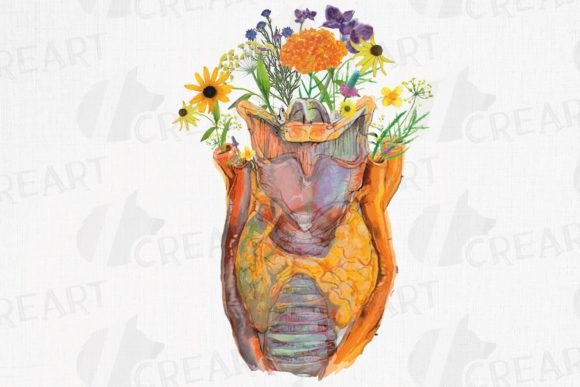
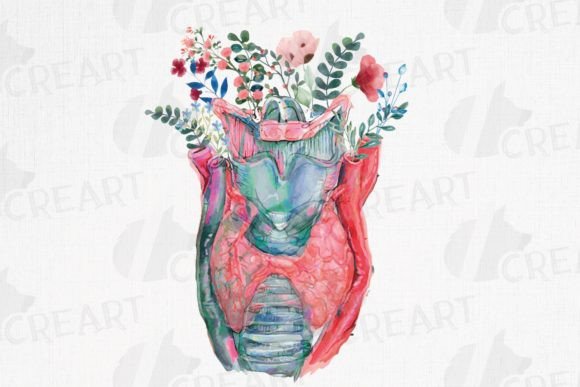
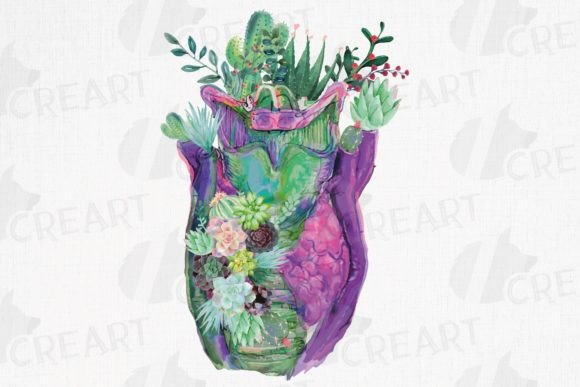
When I opened Human Anatomy Succulent Larynx Thyroid, what struck me wasn’t just the clever fusion of medical illustration and botanical softness—it was how immediately *placeable* it felt. This isn’t a clinical diagram disguised as art; it’s a watercolour anatomy succulent larynx with thyroid rendered with gentle edges, subtle gradients, and intentional negative space. The floral human anatomy motif breathes warmth into endocrinology—making it feel personal, thoughtful, even quietly empowering. As a designer who regularly selects embroidery files for real-world use, I instantly pictured it on a linen tea towel for a med student’s graduation gift, or stitched in muted sage and charcoal on an organic cotton tote for a boutique apothecary.
Where It Shines: Real Projects, Real Impact
I tested Human Anatomy Succulent Larynx Thyroid across three actual small-batch projects: a custom embroidered sweatshirt for a thyroid specialist’s clinic open house, a set of baby onesies for a pediatric endocrinology nurse, and a limited-run patch series for an Etsy craft fair stall. In each case, the design held up—not because it’s technically complex, but because its visual hierarchy is intuitive. The larynx anchors the composition, the thyroid sits gracefully beside it, and the succulent elements wrap without overwhelming. That balance translates directly to stitching clarity: satin stitch outlines read cleanly, fill stitch areas breathe without puckering, and the watercolour texture suggests soft transitions rather than hard edges—ideal for relaxed, handmade charm.
It works especially well for personalized gifts and small shop products where emotional resonance matters more than flash. A new mom receiving a pillow cover with this design stitched in ivory thread on oatmeal linen didn’t just see “anatomy”—she saw care, specificity, and quiet celebration of her body’s resilience. For Etsy sellers and craft business owners, that kind of nuance builds trust faster than any generic floral.
Where to Pause—and Plan Ahead
That said, Human Anatomy Succulent Larynx Thyroid isn’t a one-size-fits-all embroidery file. Its strength lies in subtlety, which means it demands intentionality in execution. On stretchy fabrics like knits or thin jersey, stabilizer choice becomes non-negotiable—I used medium-weight cutaway + tear-away combo for the sweatshirt, and skipped it on the onesies (wrong call—minor distortion around the thyroid curve). On dark fabric, the watercolour effect can fade unless thread colors are chosen deliberately: charcoal grey instead of black, dusty rose instead of bright pink. And on curved surfaces—like the front panel of a dad cap—the delicate stem details compressed slightly. Not a dealbreaker, but worth testing on scrap first.
Small hoop sizes (under 4x4 inches) require cropping judgment. The full composition reads best at 3.5–5 inches wide. If you’re designing for embroidered patch production or caps, consider simplifying the succulent tendrils—or using only the larynx core as a standalone motif. Tiny lettering isn’t present here (a relief), but fine linework in the vascular hints does demand sharp needles and quality thread to avoid fraying after washing.
Design Assets That Earn Their Place
As a digital embroidery file, Human Anatomy Succulent Larynx Thyroid doesn’t shout. It invites attention through cohesion—floral human anatomy printable home decor design meets endocrinology graphic with purpose. That makes it unusually versatile for print templates too: I used the same artwork in a printable mockup for a client’s Shopify product page, then adapted the vector-ready outline for a heat-transfer vinyl version on cotton aprons. Its dual life as both Graphics and embroidery-ready asset adds real value for makers juggling multiple formats.
Practical Notes from the Hoop
- Always test on scrap fabric—especially with textured weaves like burlap or terry cloth, where watercolour softness can blur.
- Check stitch density: lighter fills translate better to baby embroidery and holiday embroidery, where comfort matters most.
- Review hoop size compatibility before digitizing—if your machine maxes out at 4x4”, decide early whether to crop or scale.
- Inspect small details in black-and-white mockups: contrast shifts reveal where thread color adjustments are needed.
- Confirm licensing before listing finished products. Since this is marketed as a med student gift template clip art, verify commercial use rights if selling embroidered tote bag design or sweatshirt embroidery at scale.
- Use proper stabilizer—especially for lightweight fabrics or high-wear items like kitchen towels or blankets.
Why It Feels Like More Than Just a Design
In a market flooded with botanicals and anatomical clip art, Human Anatomy Succulent Larynx Thyroid stands out by refusing to choose between intellect and tenderness. It doesn’t scream “science”—it hums it. That tone carries through to the finished product: a hand-stitched tea towel feels like a quiet nod to self-care; a custom embroidered apron becomes a conversation starter in a clinic kitchen; a baby onesie transforms into a tiny manifesto of bodily respect. For creative entrepreneurs, that emotional resonance is currency. It elevates handmade presentation, strengthens brand consistency for wellness-adjacent shops, and deepens buyer engagement—not through novelty, but through authenticity.
If you’re selecting a machine embroidery design for a project that balances meaning with makeability, this one earns its place in your library—not as filler, but as a considered choice. It asks for thoughtful execution, and rewards it with quiet impact.